Dermatology Services: A Guide to When to Get Expert Help
If you live in West Des Moines, IA, and are struggling with ongoing skin issues like eczema or persistent dermatitis, knowing when to seek dermatology services can make a significant difference in your comfort and health. Greater Des Moines Dermatology offers a range of expert dermatology services to help you manage these skin conditions effectively, but before booking an appointment, it’s essential to understand the symptoms, common triggers, safe self-care steps, and warning signs that warrant professional evaluation. This guide will help you decide when expert help is necessary and what to expect during your visit.
Common Triggers of Eczema and Dermatitis in Iowa’s Changing Seasons
Living in Iowa means experiencing distinct seasonal changes that can often trigger or exacerbate eczema and dermatitis flare-ups. Cold winter air tends to dry out the skin, while spring and summer may introduce allergens like pollen. Fall brings its own set of environmental changes, including increased wind and fluctuating temperatures that can stress sensitive skin.
Common triggers to watch for in West Des Moines include:
- Low humidity and cold winter air causing dry, cracked skin.
- Seasonal allergies from pollen or mold spores.
- Irritants such as harsh soaps or detergents used frequently during seasonal cleaning.
- Stress and lifestyle changes associated with seasonal transitions.
Identifying these triggers can empower you to take preventive measures that minimize flare-ups before they worsen.
Safe At-Home Steps to Reduce Eczema and Dermatitis Flares
While professional dermatology services are the best option for moderate to severe cases, many mild to moderate flare-ups can be managed with simple home strategies that support skin health and reduce irritation:
- Moisturize frequently: Use fragrance-free, thick emollients to lock in moisture, especially after bathing or handwashing.
- Avoid hot showers: Lukewarm water helps prevent stripping natural oils from sensitive skin.
- Wear breathable fabrics: Natural fibers like cotton reduce skin irritation compared to synthetic clothes.
- Limit exposure to known irritants: Track household products like soaps, detergents, and lotions to identify possible culprits.
- Maintain a humid environment: Using a humidifier during dry Iowa winters can protect skin hydration.
- Manage stress: Mindfulness and relaxation techniques may help reduce flare severity linked to emotional stress.
These approaches can significantly decrease the frequency and severity of flares when used consistently.
Red Flags: When to Book an Appointment for Dermatology Services
Sometimes eczema or dermatitis requires more than home care. You should consider scheduling an expert evaluation if you notice:
- Persistent or worsening symptoms lasting more than two weeks despite at-home care.
- Skin that becomes infected (signs include oozing, yellow crust, increased redness, warmth, or swelling).
- Severe itching disrupting sleep or daily activities.
- Development of painful cracks, bleeding, or thickened skin plaques.
- Symptoms spreading to new areas or appearing suddenly and intensely.
- Failure to respond to over-the-counter treatments.
Early intervention by a dermatologist can prevent complications and improve overall skin health outcomes.
What to Track Before Your Dermatology Visit
Preparing for your dermatology appointment will help specialists diagnose and treat your condition efficiently. Before your visit, track and bring information such as:
- Duration and progression of your symptoms.
- All skin care, medication, and topical products you’ve used, including over-the-counter remedies.
- Any known allergies or previous diagnoses related to your skin condition.
- Photos documenting changes or flare-ups over time.
- Notes on potential triggers such as diet changes, stress, or environmental exposures.
- Any previous treatments and how your skin responded to them.
This information helps your dermatologist understand the full picture and tailor a treatment plan suited to your needs.
Treatment Options Your Dermatologist May Discuss
When you seek dermatology services, your dermatologist may offer a variety of treatment strategies depending on the severity and nature of your eczema or dermatitis:
- Topical corticosteroids: To reduce inflammation and itching.
- Prescription moisturizers and barrier repair creams: To restore skin integrity.
- Antibiotics or antifungal medications: If a secondary infection is present.
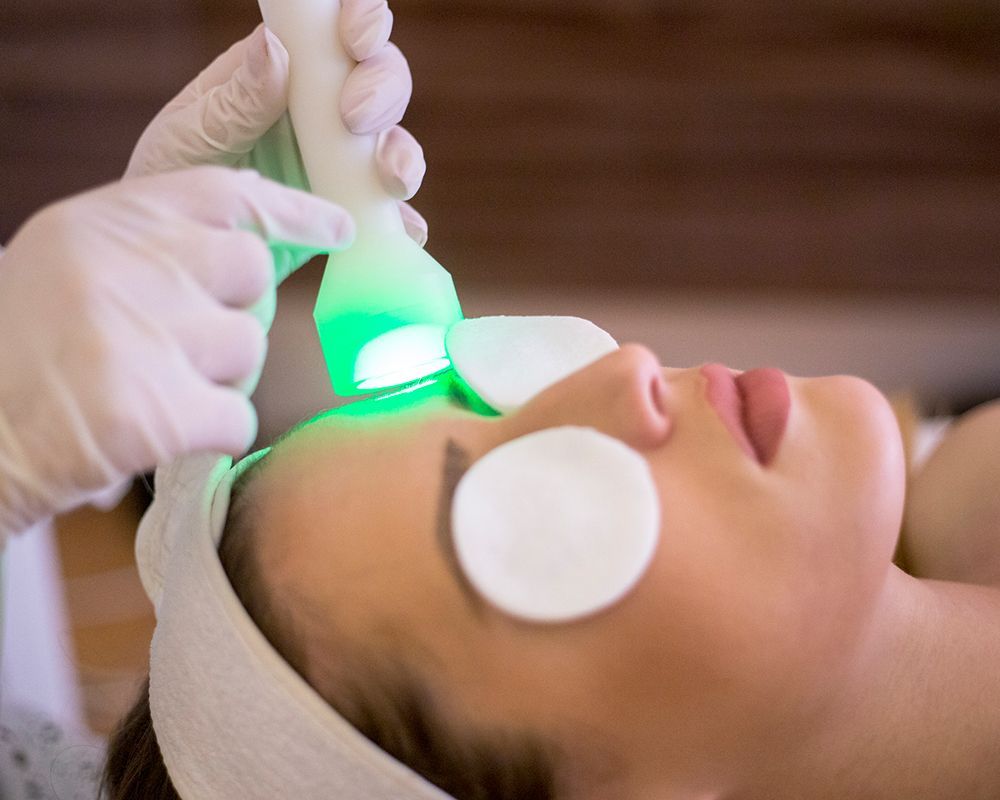
- Phototherapy: Controlled exposure to ultraviolet light for persistent cases.
- Immunomodulators: Non-steroidal topicals that modify immune response.
- Lifestyle and trigger management plans: Guidance on avoiding irritants and allergens.
- Referral for allergy testing: To identify food or environmental allergens worsening symptoms.
Treatment is often layered and adjusted over time to find the most effective approach for long-term relief.
Why Choose Professional Dermatology Services?
Seeking expert help at the right time not only alleviates symptoms but also prevents chronic complications and boosts your overall quality of life. Skilled dermatologists at Greater Des Moines Dermatology understand the unique environmental triggers of Iowa and have the expertise to tailor treatments that work best for you. Their personalized approach ensures that each patient receives comprehensive care designed to manage and improve skin health effectively. With a focus on ongoing support and education, they empower patients to maintain healthier skin between visits.

Take the Next Step Toward Healthier Skin Today
If you’re dealing with eczema or persistent dermatitis that you can’t manage at home, don’t wait until the condition worsens. Book an appointment today with Greater Des Moines Dermatology for trusted dermatology services in West Des Moines, IA. Take control of your skin health and experience relief backed by specialized care.
Call to schedule your consultation and start your journey toward healthier skin.