Dermatologist vs. Primary Care Doctor: When to See Each for Your Skin
Knowing the difference between a dermatologist and a primary care doctor can help you get the right care faster and protect your skin more effectively. Many people in the West Des Moines, IA, area wonder which provider to call when a rash appears, a mole changes shape, or acne refuses to clear up. Skin care covers conditions that range from mild to potentially serious, and understanding when to self-refer can make a real difference in outcomes.
What a Primary Care Doctor Can and Cannot Do for Your Skin
Primary care doctors are often a strong first stop for many health concerns. They can evaluate common, straightforward skin issues like mild rashes, dry skin, insect bites, or simple infections. If they spot something routine, they may prescribe a treatment and monitor your progress.
However, primary care providers typically have broad training across many body systems. They may not always have the specialized tools or in-depth skin training to identify or treat complex conditions. When a skin problem is persistent, unusual, or potentially serious, a referral to a dermatologist is often the smarter path.
When Should You See a Dermatologist Instead?
A board-certified dermatologist is the right choice whenever your skin concern is ongoing, worsening, or carries a risk of being something more serious. Here are common situations where specialist expertise may serve you better:
- A rash or skin irritation that has not improved after two to four weeks of treatment.
- A mole or spot that has changed in size, shape, color, or border.
- Acne that is leaving scars or has not responded to over-the-counter products.
- A skin condition that keeps coming back, such as eczema, psoriasis, or rosacea.
- Any skin lesion that bleeds, crusts over, or simply does not heal.
- A personal or family history of skin cancer.
Residents across West Des Moines, IA, and surrounding communities like Waukee, Clive, and Urbandale spend significant time outdoors during Iowa's warm months. Iowa summers bring UV index readings that can reach the "High" to "Very High" range on peak days, which means cumulative sun exposure adds up over the years. That outdoor lifestyle, while healthy in many ways, makes routine skin monitoring especially important for this region.
Suspicious Moles and Skin Cancer Risk
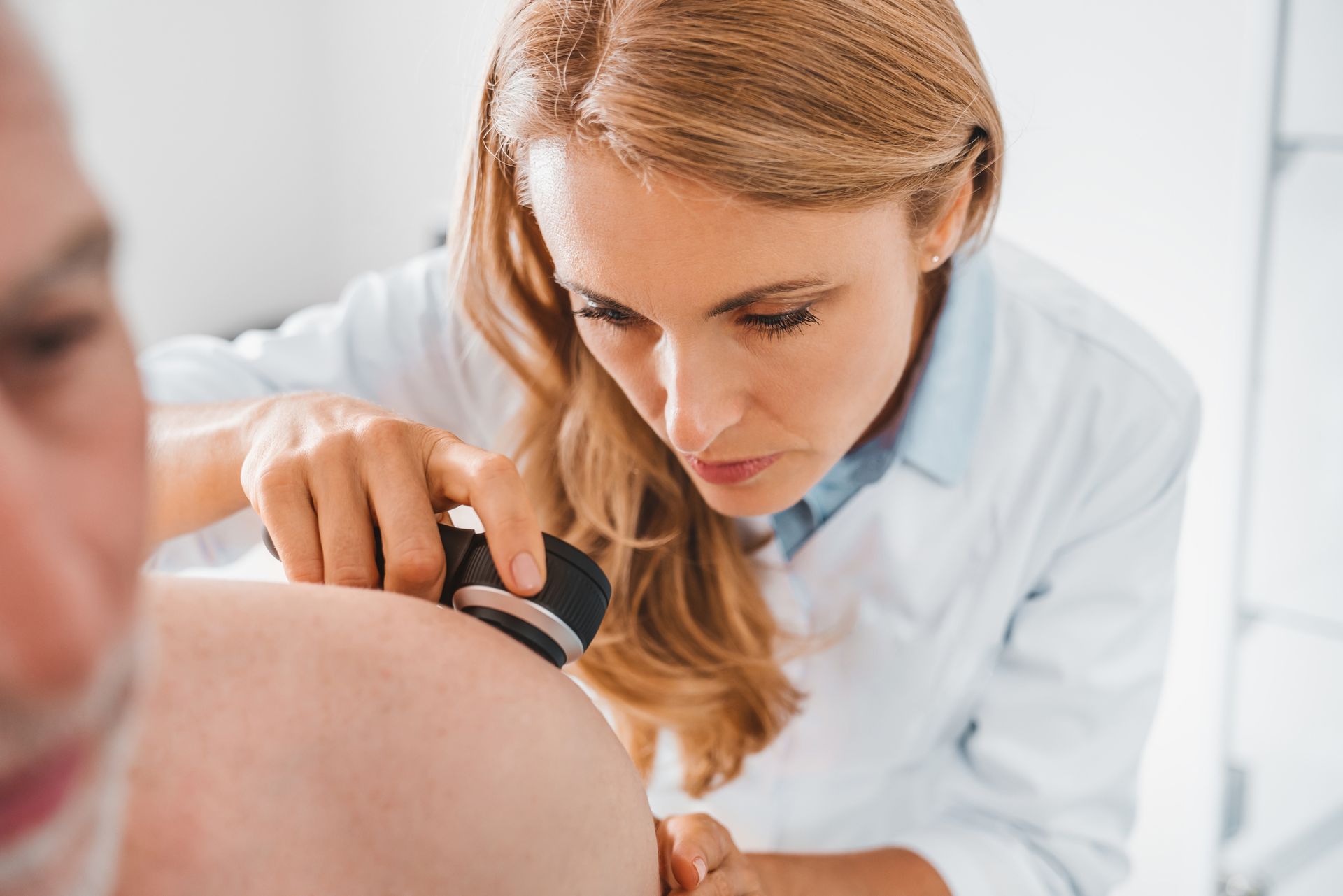
A dermatologist should evaluate any mole or spot that concerns you. Skin cancer is one of the most common cancers in the United States, and early detection is widely linked to better outcomes. Your primary care doctor may notice something during a routine visit, but a dermatologist has the specialized training and equipment to look more closely at pigmented lesions and assess your overall risk.
If you spend a lot of time at places like Gray's Lake, the Jordan Creek Trail, or any of the outdoor green spaces around the West Des Moines area, an annual skin check may be one of the most valuable preventive steps you can take. These visits allow a dermatologist to map and track any spots that may need closer attention over time.
Chronic Skin Conditions Benefit From Specialist Care
Conditions like eczema, psoriasis, and chronic acne can significantly affect your quality of life. A primary care doctor may initiate treatment, but a dermatologist can offer a wider range of options and tailor a long-term management plan. Prescription therapies, light treatments, and biologic medications are among the tools that skin care specialists may have access to.
Chronic acne, in particular, deserves specialist attention when it is causing scarring or emotional distress. A dermatologist can assess whether prescription-strength treatments or other interventions may help reduce breakouts and prevent long-term skin damage.
A Practical Rule of Thumb
Your primary care doctor is a great starting point and can handle many basic skin concerns. Think of a dermatologist as the right next step when the issue is complex, recurring, or potentially serious. You do not always need a referral to book directly with a dermatologist, so do not wait if something about your skin is worrying you.
Frequently Asked Questions
Can I See a Dermatologist Without a Referral?
In most cases, yes. Many dermatology practices accept patients who schedule directly without a primary care referral. It is always worth checking with your insurance plan to understand your coverage before your appointment.
How Often Should I Have a Skin Check?
Most adults benefit from an annual skin exam, especially if they have a history of sun exposure, a family history of skin cancer, or any changing spots. Your dermatologist can help you decide the right schedule for your individual risk profile.
What Conditions Does a Dermatologist Treat?
Dermatologists diagnose and treat hundreds of conditions affecting the skin, hair, and nails. Common examples include acne, eczema, psoriasis, rosacea, warts, hair loss, nail disorders, and skin cancer.
Is Acne a Reason to See a Dermatologist?
Yes, if acne is moderate to severe, leaving scars, or not responding to standard treatments, a dermatologist can evaluate whether prescription options or other procedures may help. Early intervention can limit long-term skin damage.
Ready to Take the Next Step for Your Skin?
Choosing the right provider does not have to be complicated. If you are unsure whether your skin concern warrants a specialist visit, it is almost always better to ask sooner rather than later. Greater Des Moines Dermatology serves patients in West Des Moines, IA, and the broader Des Moines metro, offering medical dermatology services<https://www.greaterdesmoinesdermatology.com/medical-dermatology-iowa> with care rooted in board-certified expertise and personalized attention.
Call (515) 243-8676 to schedule your appointment, or contact the team online to request a visit. Your skin deserves the right level of care, and the right specialist can make all the difference.